
A wider curriculum for learning, life and future pathways.
PCT Education believes every student is entitled to a broad range of learning opportunities, combining core academic achievement with personal development, vocational exploration, enrichment and preparation for adulthood.
Academic progress and a genuine sense of belonging.
PCT Education’s values and ethos ensure students have continuous opportunities for life skills, skills for work and academic achievement in all core subjects, alongside the development of their Social, Moral, Spiritual and Cultural wellbeing.
As a small independent school, PCT has a high level of experienced staff providing a two to one ratio of support to students. This creates social time where students can build trust, form positive relationships and develop a sense of belonging.
Experienced support
A high level of staff support makes it possible to personalise learning and build stable relationships.
Whole person development
Core subjects sit alongside social, moral, spiritual, cultural and personal development.
Helping students discover strengths, interests and confidence.
Hobbies, interests, independence and positive experiences all contribute to adult readiness and a stronger sense of self.
Explore interests
Lunchtime clubs, one to one discussions, community visits and school projects give students opportunities to discover hobbies and interests.
Try something new
An out of the box approach helps students recognise strengths, understand challenges, develop teamwork and feel confident and happy at school.
Build a pathway
Clear interests and progression pathways are identified, recorded and used to enrich each student’s individual curriculum.
Vocational opportunities through active, hands on learning.
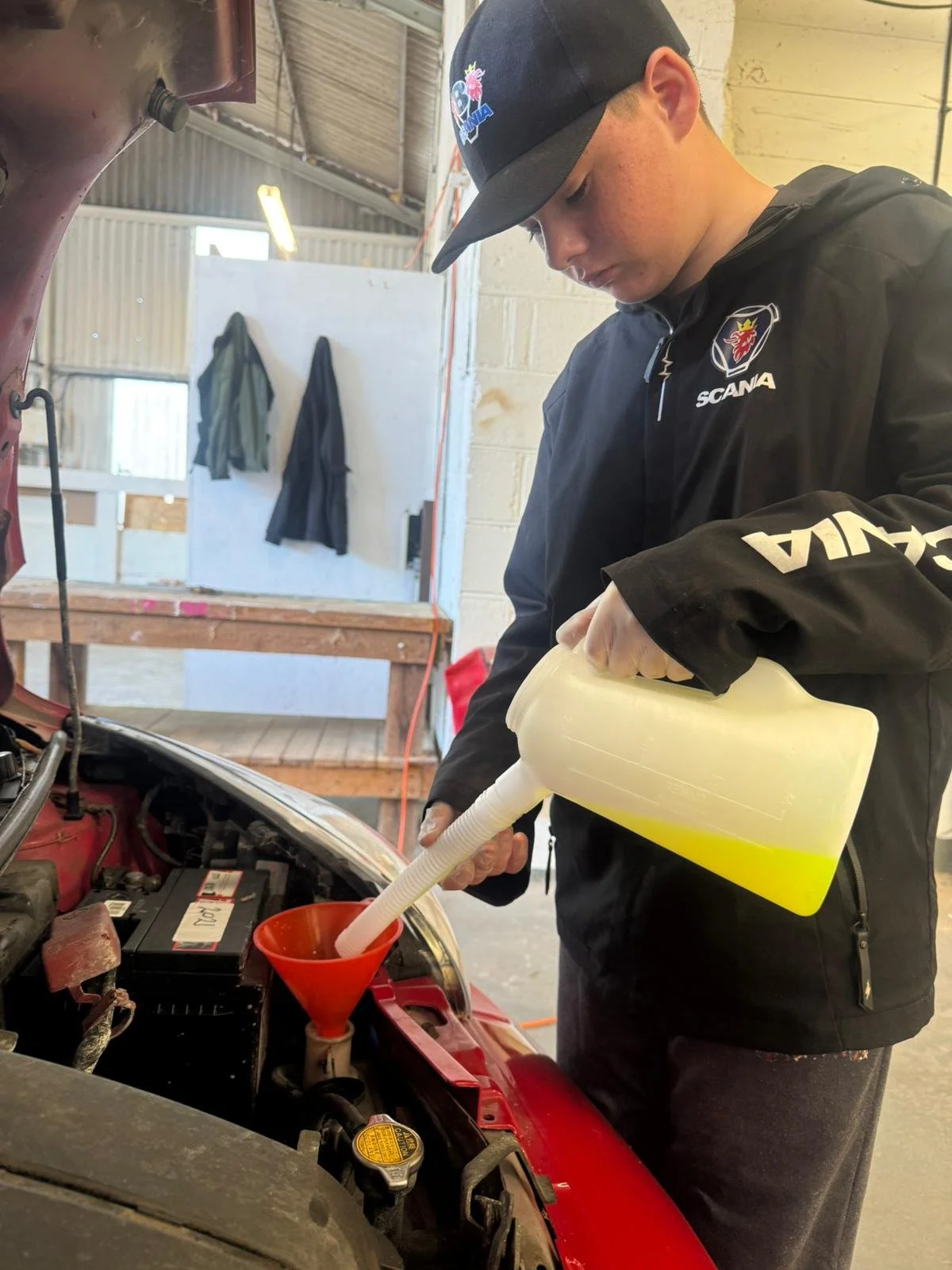
Sequentis House is PCT Education’s vocational training centre, offering bespoke supported education and training for older year groups to explore pathways and prepare for post 16 transition.
Current pathways
Mechanics, Mechanical Maintenance, Engineering, Construction and Multi Trades, Catering and Hospitality, Media and Technology.
Planned expansion
Sports, Music and Music Technology, Animal Care and Horticulture.
Growing challenge as students move through school.
Cross school activities build positive relationships, communication, confidence, resilience and understanding of the wider world.
Outdoor activity centre day
A supported day of challenge, teamwork and new experiences.
Overnight residential
An outdoor activity centre residential, often a first overnight stay away from home.
London day trip
Broader cultural experience, independence and understanding of the wider world.
Overseas residential
A significant challenge and memorable experience before transition to post 16.
Progression planning from Year 9 to Year 12 follow up.
A clear pathway helps learners and families understand what comes next and what skills need to be developed along the way.
Start preparing for adulthood plans
Students begin considering personal progression routes, independent living, participation in society, health in adult life and what needs to be considered for their future.
Build resilience and explore careers
Students develop greater resilience, use feedback to improve, research careers, attend careers talks or events, identify relevant subjects and skills, explore vocational options and consider individualised work experience.
Own the next step
Students build independence and focus for exams, actively explore post 16 options, visit colleges, adapt timetables where useful and develop the specific skills, knowledge and experiences needed for transition.
Stay connected after transition
Once learners move into a post 16 option, contacts are established between the young person, family, professionals and provider. PCT supports enrolment and settling in, checks that the learner is happy and welcomes former students back to visit.
Space to do something simply because it matters to the student.
PCT sees enrichment as essential to personal development, confidence and self worth. Activities and trips have included circus skills workshops, dance, local festivals, creative projects, caring for the school dog, Cat Café visits and miniature gardening.
One to one personal therapy is available for students who wish to engage with it, supporting mental health and emotional resilience. Family Support works to build robust relationships with homes and families through regular contact, visits, meetings, paperwork support and liaison with professionals.
Personal therapy
Continuity of one to one support for students who choose to engage.
Family support
Weekly contact or visits where helpful, with practical support and liaison around the young person.
Taking learning into 25 acres of woodland.
WILD moves the learning environment outside the classroom so young people can use imagination, explore the world around them and bring curriculum subjects to life.
Woodland learning
A fully insured and risk assessed countryside environment where subjects can creatively use outdoor space.
Bush craft skills
A structured programme shaped around students’ interests while stretching knowledge and boundaries safely.
Overnight challenge
Students can build towards an overnight stay under the stars in their own shelter.
Eight areas of support around every learner.
Family & Friends
Positive collaboration with family and peers.
Learning
Hands on problem solving, STEM, self reflection and engagement.
Opportunity
Access to new skills, hobbies and interests.
Understood
Mentoring so students can express ideas and feel heard.
Resilience
Encouragement to try, persist and reach positive outcomes.
Individual
Recognition of unique learning styles and strengths.
Safe & Secure
Positive relationships and restorative approaches.
Healthy
Confidence, self esteem, wellbeing and rapport.